How much does a trip to Morocco cost?
Morocco offers travel options for a wide range of budgets. It's possible to plan an economical trip by staying in hostels, eating at small restaurants, and using public transport, or to opt for charming riads, private drivers, and more upscale experiences.
The budget depends mainly on four elements: accommodation, meals, transportation, and activities . Marrakech, major tourist cities, and certain desert experiences can also be significantly more expensive than less frequented destinations.
The amounts indicated in this guide are therefore approximate . To facilitate reading, prices are presented mainly in euros, with an indicative conversion in dirhams based on approximately €1 to 11 DH .
What budget should I plan for per day?
For a traveler sharing a double room, excluding international transport, three main budget levels can be considered.
Budget travel: approximately €35 to €50 per person per day
This budget corresponds to a simple stay: affordable hostel or guesthouse, meals in small local restaurants, travel by bus, train or shared taxi and limited activities.
It already allows you to discover Morocco in good conditions provided you favour local transport and book more expensive experiences in moderation.
Comfortable travel: approximately €70 to €120 per person per day
This is probably the most representative budget for a comfortable independent trip. It allows you to stay in good hostels or riads, eat out regularly, get around easily, and plan several visits or excursions during your stay.
For two people, it also becomes possible to alternate between public transport, car rental and private transfers on certain stages.
Luxury travel: from €150 per person per day
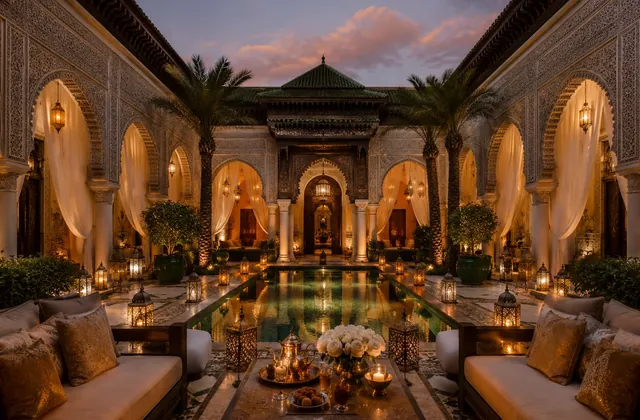
Charming riads, upscale hotels, more sought-after restaurants, private drivers, guides, comfortable bivouacs and individual excursions quickly increase the budget.
There is virtually no upper limit: Morocco also has establishments and experiences of very high luxury.
How much does accommodation cost in Morocco?
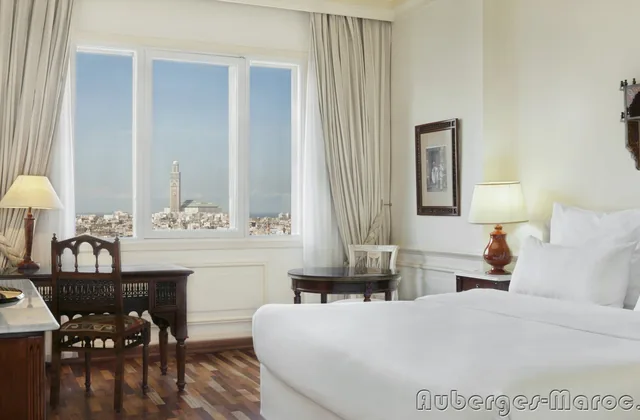
Accommodation usually represents the largest part of the budget, but there are considerable differences depending on the destination and the level of service.
- Simple hostel or guesthouse: approximately €20 to €45 per room.
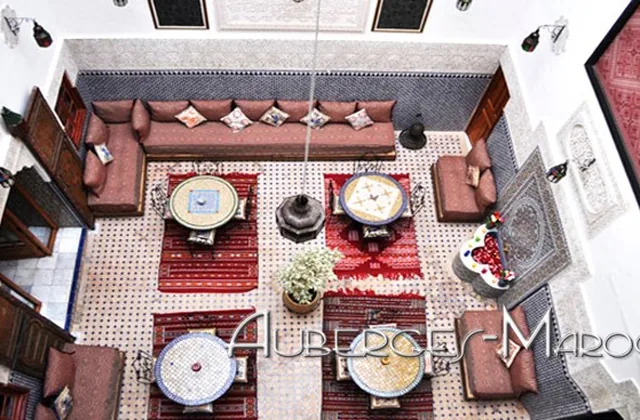
- Riad or comfortable accommodation: approximately €45 to €90 per room.
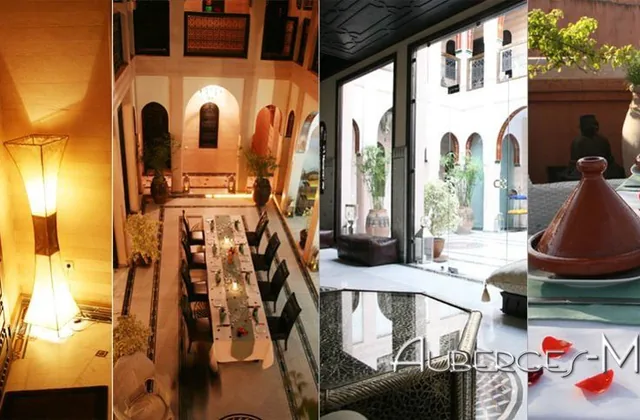
- Charming riad or superior hotel: approximately €90 to €180 per room.
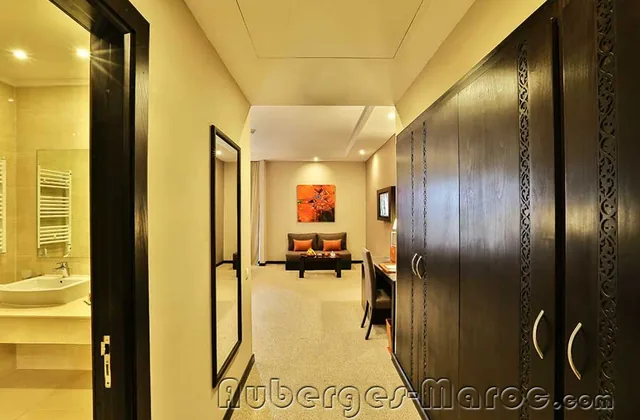
- Luxury accommodation: from €180, sometimes much more.
In rural areas, the Atlas valleys, or certain parts of southern Morocco, you can still find many places offering excellent value for money. Marrakech and its most sought-after establishments, however, can command significantly higher prices.
Breakfast is frequently included. In some hostels located far from towns, half-board can also be an attractive option as it eliminates the need to find a restaurant in the evening.
What budget should I plan for food?
It is relatively easy to eat at reasonable prices in Morocco. A simple meal in a small restaurant or local eatery can cost only a few euros, while restaurants catering to tourists charge prices closer to those in southern Europe.
- Simple meal or local food: approximately €3 to €7.
- Traditional restaurant: approximately €8 to €18 per person.
- Higher-end restaurant: from €20 to €40 per person.
Drinks, coffees and teas are generally inexpensive. However, in very touristy areas, especially around the most frequented squares and monuments, prices can be significantly higher.
Transportation: a highly variable position
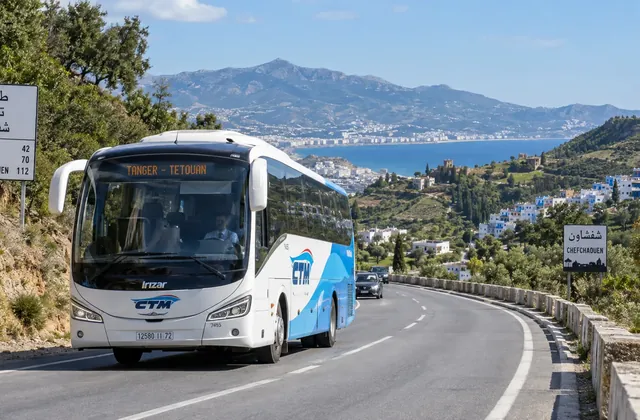
Morocco has a network of trains, buses, grand taxis and petit taxis which allows you to travel without necessarily having a car.
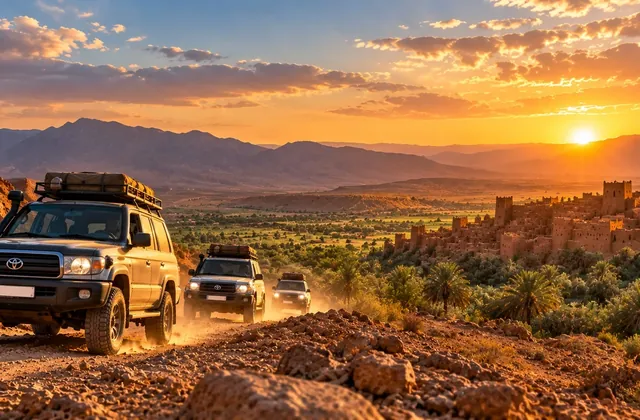
For budget travel, public transport can significantly reduce expenses. A road trip with a rental car or private transfers will cost more but offer greater freedom, especially in the High Atlas Mountains, the southern valleys, and around the desert.
Therefore, the transport budget must be adapted to the itinerary: a stay between Casablanca, Rabat, Meknes and Fes using mainly the train will not have the same cost as a circuit between Marrakech, Ouarzazate, the Dades and Merzouga.
What budget is needed for excursions and activities?
This is the factor that can most rapidly affect the final price of the trip.
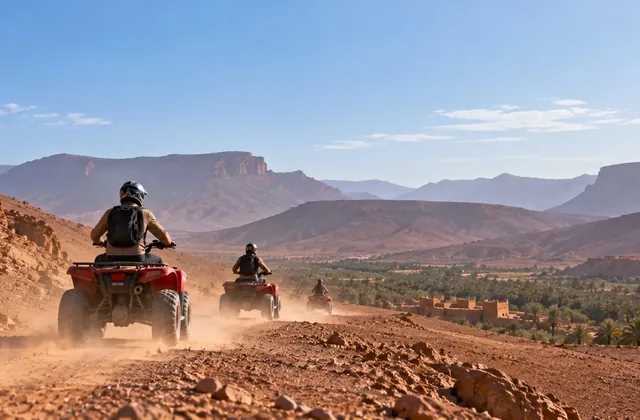
Visiting a medina or exploring a valley can cost almost nothing. Conversely, a day with a guide, a 4x4 excursion, a quad bike ride, an overnight bivouac, or a private transfer will incur additional expenses.
For a comfortable stay, budgeting an average of €10 to €30 per person per day for activities allows you to alternate between free time and organized experiences. Private excursions and desert experiences can significantly exceed this average.
Does the desert cost more?
A trip to the Sahara generally requires a larger budget than a typical day in a Moroccan city.
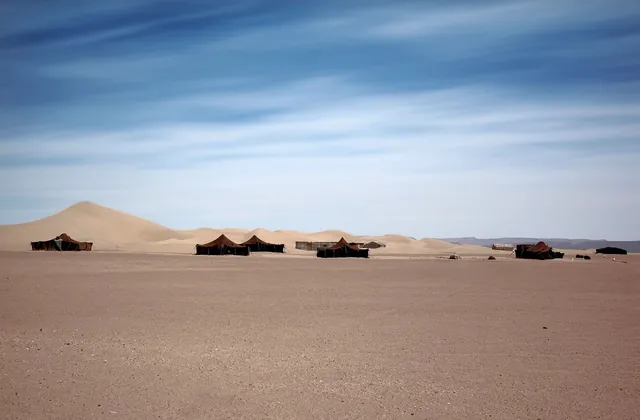
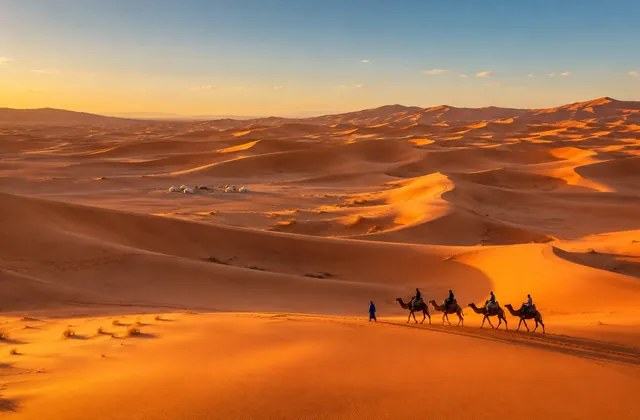
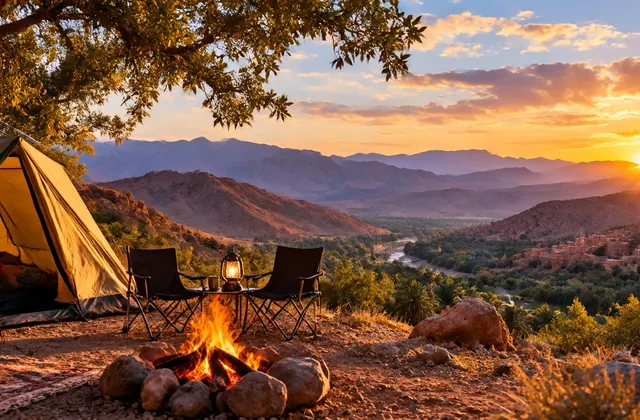
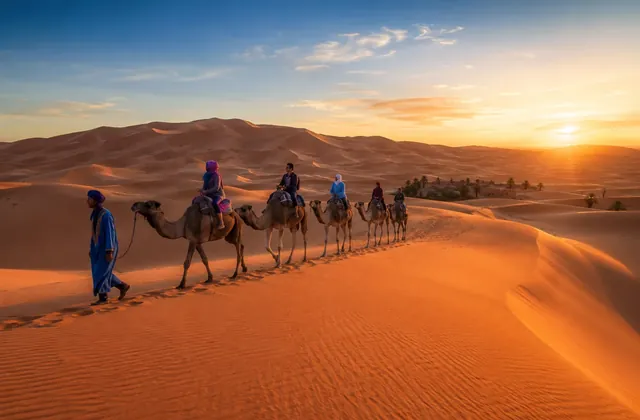
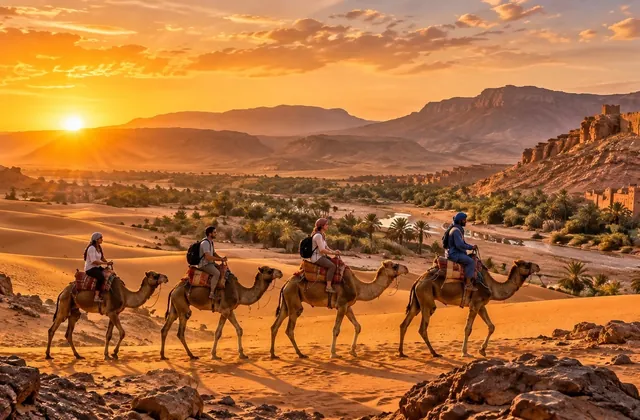
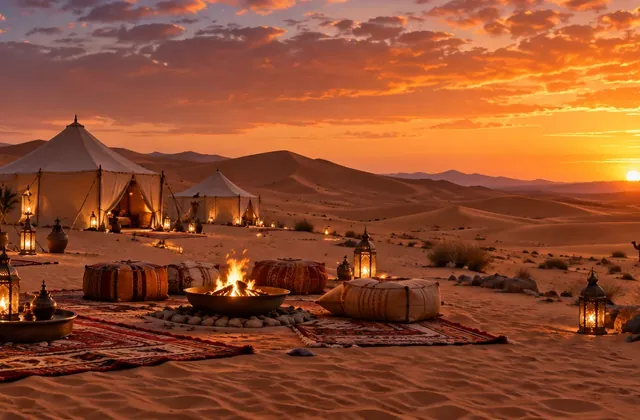
In Merzouga, M'Hamid, Zagora or Chegaga, the price depends a lot on the package chosen: simple accommodation near the dunes, bivouac, transport by 4x4, camel, meals included or more comfortable camp.
To control the budget, it is useful to look precisely at what is included in the price: transport, dinner, breakfast, activity, transfer to the camp and possible return.
Example budget for one week in Morocco
For 7 days per person , excluding airfare and sharing a double room, the following approximate costs can be considered:
- Budget stay: approximately €250 to €350.
- Comfortable stay: approximately €500 to €850.
- High-end stay: from €1,050.
These amounts can obviously vary depending on the itinerary. A week mainly spent in Essaouira or a single region will generally cost less than a tour requiring long transfers and several excursions.
And for 10 days?
Over ten days, a budget of around €700 to €1,200 per person already allows you to organize a very nice comfortable trip by combining good addresses, restaurants, transport and several activities.
A traveler who favours simple accommodations and public transport can spend much less, while a private tour with high-end riads and a driver can quickly exceed €2,000.
Expenses that we sometimes forget
A few small expenses may accumulate during the trip: tips, parking, tolls, drinks, SIM cards, souvenirs, entrance fees to monuments or short taxi rides.
Allocating a margin of approximately 10% of the total budget generally allows these expenses to be absorbed without having to constantly monitor one's portfolio.
Should I pay in euros or dirhams?
The currency used in Morocco is the Moroccan dirham (MAD) . Even when some establishments display an equivalent in euros, the price in dirhams remains the local standard.
It's useful to keep some cash on hand, especially for small restaurants, taxis, markets, and local shops. Bank cards are more commonly used in hotels, larger restaurants, and tourist establishments.
How to reduce your budget without sacrificing the trip?
Traveling at a slower pace often results in the best savings. Increasing the number of stops means more transport, transfers, and days spent on the road.
Choosing independent accommodation, eating regularly in locally frequented restaurants and combining a few major experiences with days of free exploration also helps to keep a budget reasonable.
Finally, comparing accommodations according to destinations often reveals that just a few kilometers from a very touristy area, there are charming places offering excellent value for money.
So, how much should you really expect to spend?
For the majority of travellers coming from Europe and wishing to discover Morocco comfortably without seeking luxury, a budget of €70 to €120 per person per day is a realistic basis, excluding airfare.
But one of the advantages of Morocco is precisely the ability to adapt your stay to your budget: family hostels, guest houses, riads, bivouacs and hotels allow you to create very different trips while discovering the same regions.