Spending a night in the Moroccan desert is one of the most sought-after experiences when traveling in the South. But behind the expression "sleeping in the desert" lie very different options.
Between an inn located on the edge of the dunes, a prepared camp, a simpler bivouac or a night accessible only after several kilometers of track, the choice strongly influences the experience.
Inn, camp or bivouac: what's the difference?
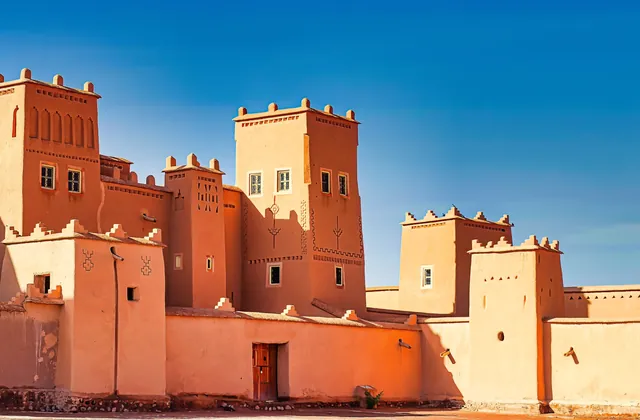
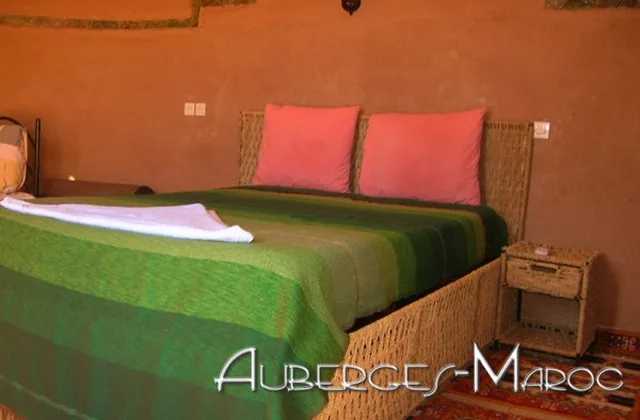
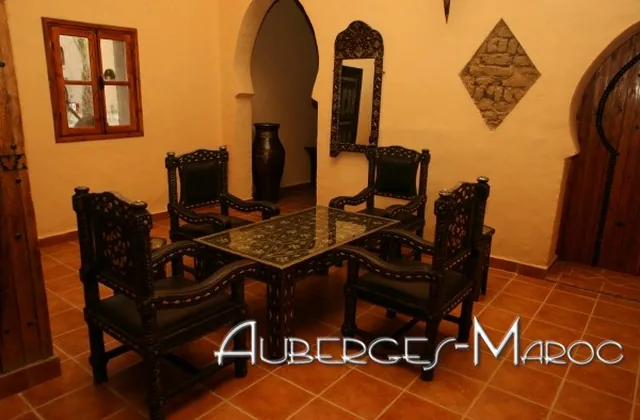
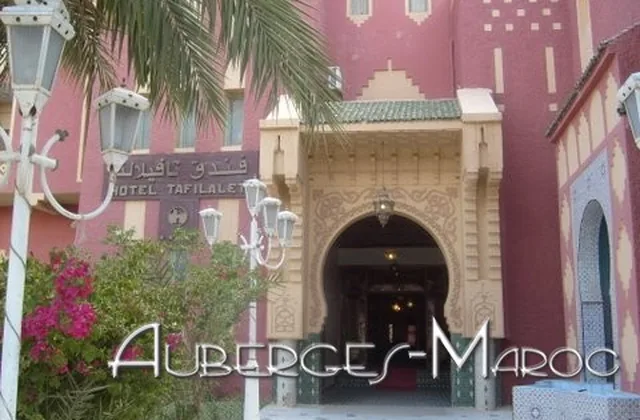
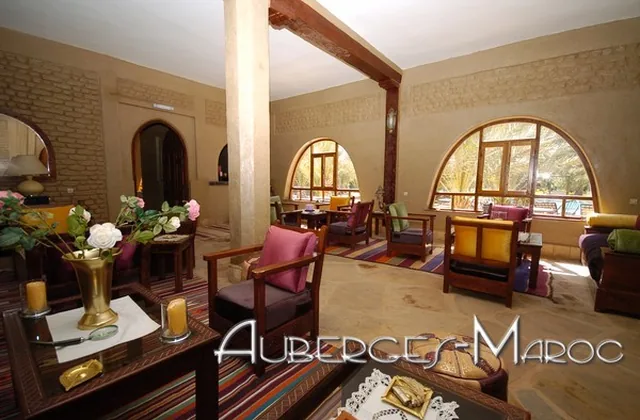
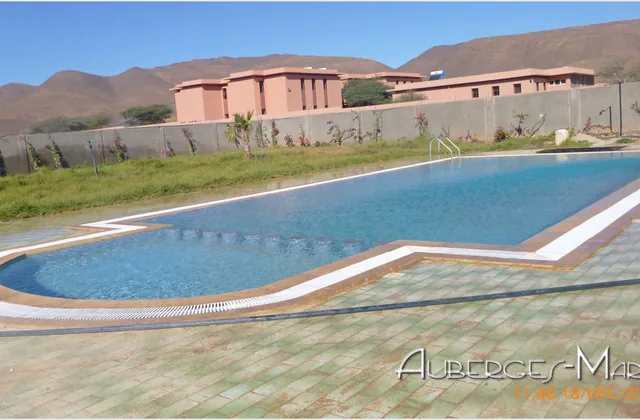
An inn is a permanent accommodation usually located in a village or in the immediate vicinity of the desert. It offers more comfort and allows you to enjoy the dunes without necessarily spending the night there.
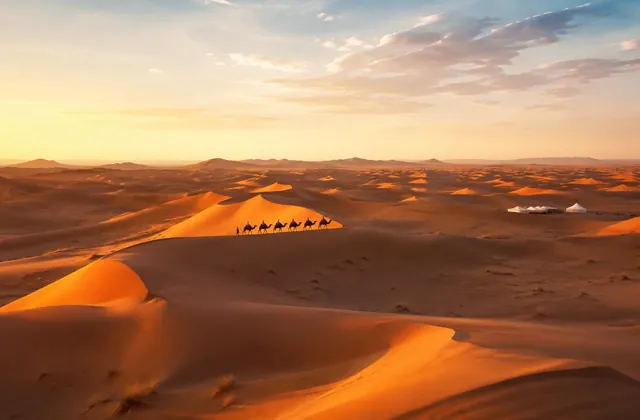
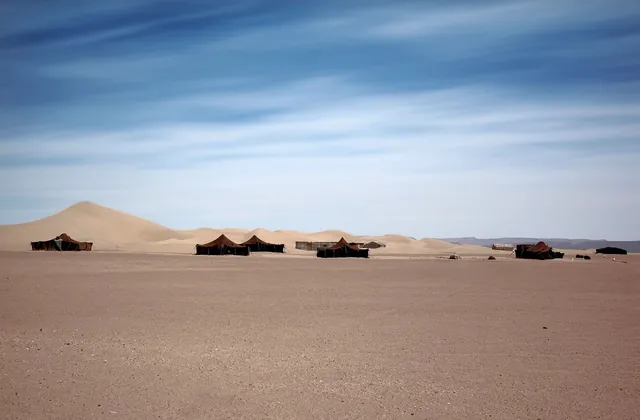
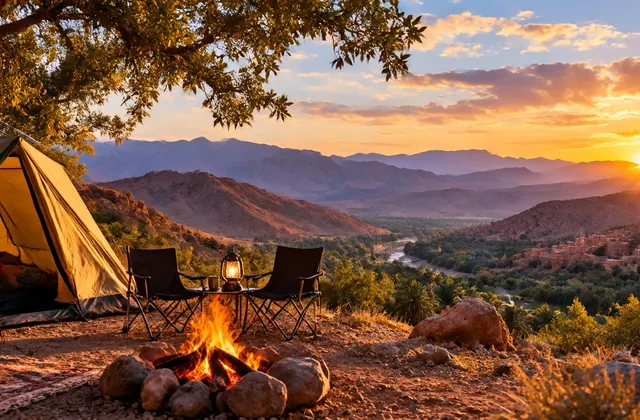
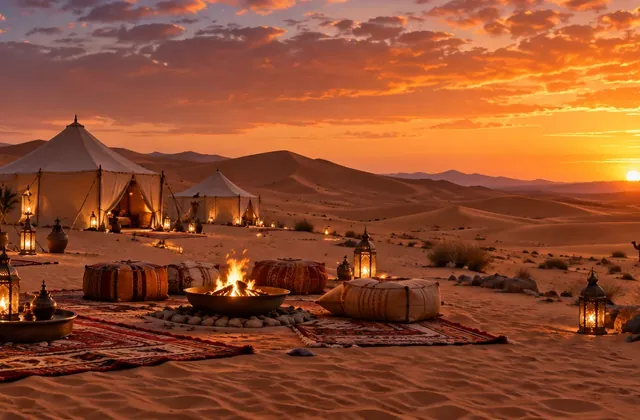
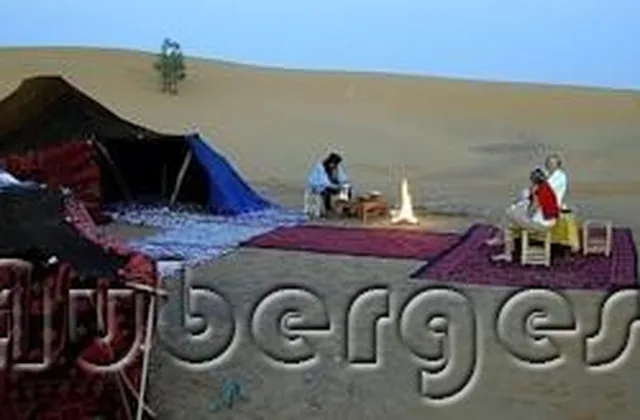
A camp is set up directly in or near desert areas. It generally offers furnished tents, communal spaces and different levels of comfort.
The term bivouac can refer to both a simple camp and a more isolated installation intended for spending a night in the heart of the desert.
Merzouga: sleeping at the foot of Erg Chebbi
Merzouga is one of the easiest destinations for discovering the Moroccan Sahara.
The road leads directly to the foot of the Erg Chebbi dunes. It is therefore possible to sleep in an inn facing the dunes, reach a camp by 4x4, or set off on camelback to spend the night in the desert.
This accessibility makes Merzouga an excellent choice for a first experience.
Why choose a hostel in Merzouga?
An inn allows you to enjoy the desert landscapes while maintaining a level of comfort close to traditional accommodation.
It's a good option for families, travellers who don't want to sleep in a tent or those who want to keep the freedom to go into the dunes for just a few hours.
It is also possible to combine a first night in a hostel with a second night in a camp.
Sleeping in a camp in Merzouga
The camps around Merzouga offer very different levels of comfort.
Some remain simple, while others have beds, private bathrooms, meals served on site and much more comfortable amenities.
Before booking, be sure to check the actual location of the camp, how to access it, and the facilities included.
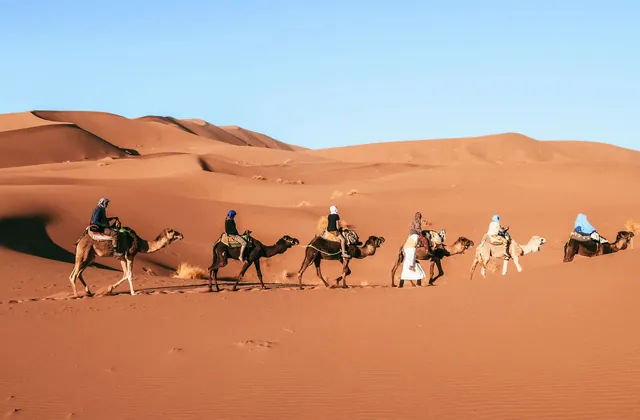
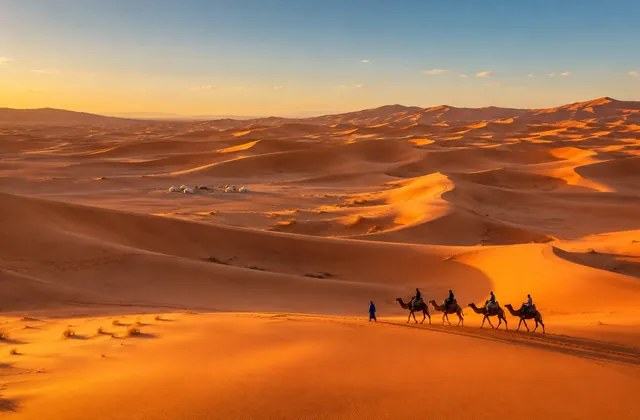
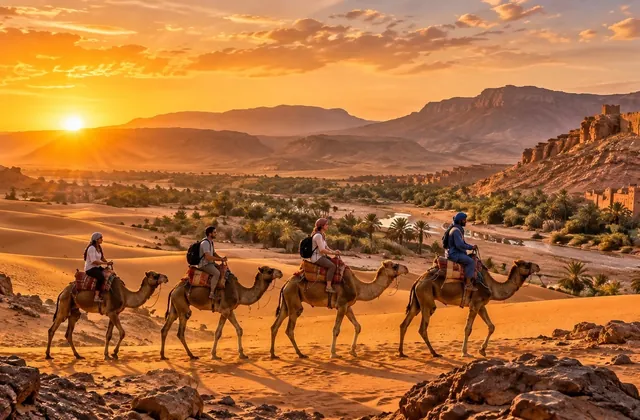
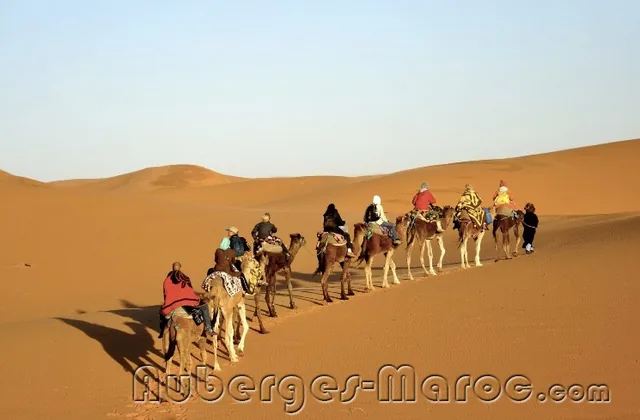
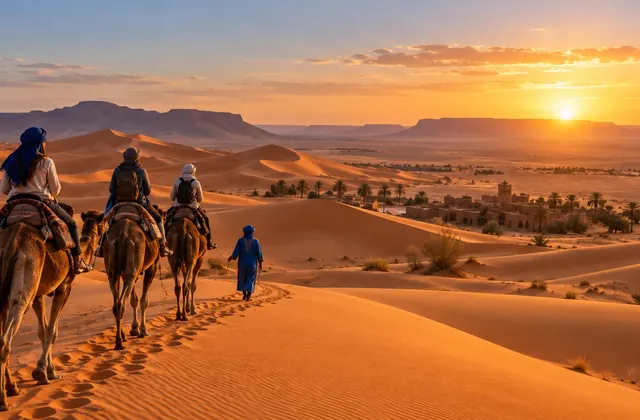
Reaching the camp by camel
Arriving on camelback is one of the classic experiences in Merzouga.
The route allows you to gradually penetrate the dunes and reach the camp without a vehicle.
The duration varies depending on the location. For travelers unaccustomed to this type of travel or with young children, it is better to opt for a reasonable excursion rather than an excessively long journey.
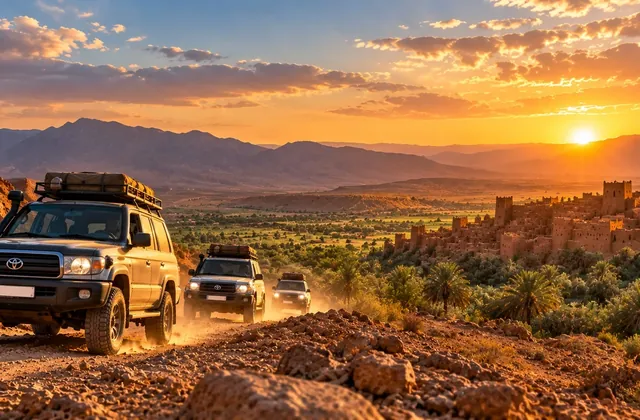
Reaching the camp by 4x4
The 4x4 is another solution, faster and often more comfortable.
It also allows you to reach some remote camps or to combine the night with an excursion around the dunes.
This option is particularly suitable for travellers who prefer to spend more time exploring the region rather than traveling to the camp.
M'Hamid: another gateway to the Sahara
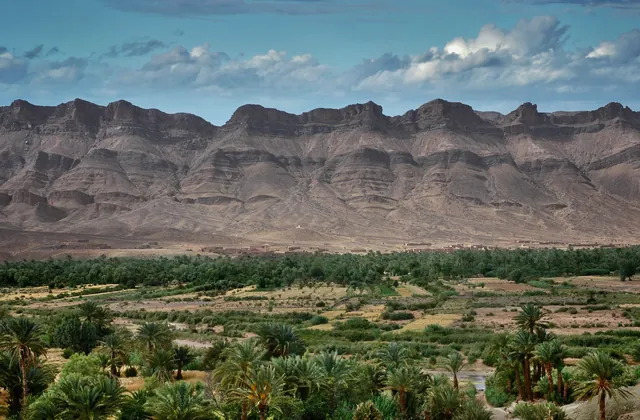
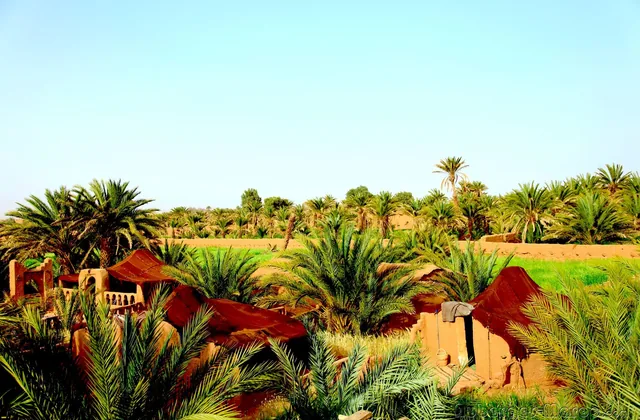
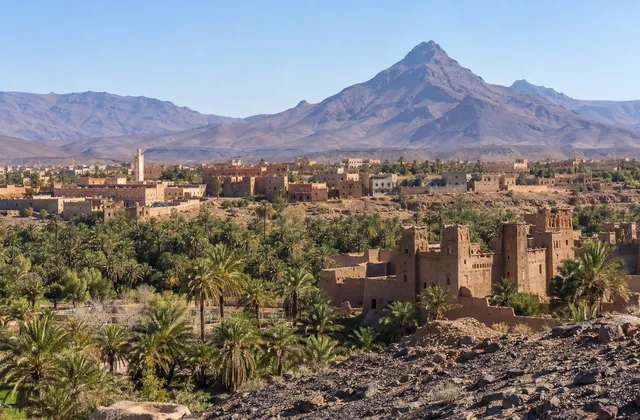
M'Hamid is located at the end of the Drâa valley and gradually marks the transition to much more desert-like landscapes.
The experience there is different from Merzouga. The large dunes are not located directly at the entrance to the village and some excursions require more driving on dirt tracks.
M'Hamid is notably one of the main starting points for trips to the Chegaga dunes.
Chegaga: a more isolated experience
Chegaga is particularly suitable for travellers seeking a more pronounced sense of isolation.
Access is usually by 4x4 through desert tracks, which transforms the journey itself into an integral part of the experience.
Therefore, you need to allow more time than in Merzouga and carefully organize transport.
Merzouga or Chegaga?
Merzouga is easier to access and offers a wide choice of accommodations and camps.
Chegaga requires more driving on dirt tracks but generally provides a more isolated feeling.
For a first trip or a short stay, Merzouga is often easier to include. For a longer tour in the South, Chegaga can offer a very different experience.
Zagora: a stopover before the desert
Zagora is a convenient base on the road to M'Hamid and the desert.
The city allows you to break up the journey from Ouarzazate and discover the Drâa valley before continuing towards the truly Saharan areas.
It can therefore be used as a stepping stone before or after a night in a bivouac.
Foum Zguid and the desert tracks
Foum Zguid constitutes another gateway to the desert regions.
The destination is of particular interest to travellers planning 4x4 excursions and wishing to discover the tracks and landscapes of the Sahara outside the classic route to Merzouga.
The organization is requesting more preparation, particularly for off-road journeys.
Erfoud before Merzouga
Erfoud is a common stopover before reaching Merzouga.
The city offers a transition between the roads of southeastern Morocco and the Saharan landscapes of Erg Chebbi.
It can be useful for breaking up a long journey before spending one or two nights near the dunes.
What level of comfort should I choose?
The level of comfort in the camps varies enormously.
A simple campsite may offer a traditional tent, shared sanitary facilities and a communal meal.
More comfortable camps may have real beds, electricity, private bathrooms and sometimes even hotel-like facilities.
The term "luxury camp" does not correspond to a precise standard: always check the actual facilities before booking.
Is one night enough?
For a first experience, a night in the desert already allows you to experience the essence of it.
But if your itinerary allows, planning two nights in the region is often much more pleasant.
This allows you to spend a day exploring the dunes or surrounding areas without having to leave immediately after your night at the campsite.
Which is the best season?
Spring and autumn generally offer the most comfortable conditions for sleeping in the desert.
In winter, the days can be very pleasant, but the nights sometimes become very cold.
In summer, the heat can remain significant late into the evening and make the experience much less comfortable.
What should you plan for a night in the desert?
Even when the day is warm, pack warmer clothes for the evening and night.
Add sunscreen, water, sand-friendly shoes and the bare essentials for an overnight stay.
If you are traveling to the camp by camel, it is generally more practical to leave large bags at the main accommodation and only take a small bag.
The desert with children
A night in the desert can be a memorable experience for families.
Merzouga is generally the easiest solution because road access allows direct access to the area around the dunes.
With young children, choose a camp that is easily accessible, with a short journey and during a season when temperatures are not extreme.
Is it absolutely necessary to sleep in a tent?
No. It is perfectly possible to enjoy the desert while sleeping in a hostel.
You can then head out into the dunes in the morning or late afternoon, take an excursion and then return to spend the night in a classic room.
This solution is suitable for those who wish to experience the Sahara without sacrificing their comfort.
How to choose your side?
Before booking, check several points:
- the actual location of the camp;
- the mode and duration of access;
- the type of tent;
- private or shared sanitary facilities;
- meals included;
- the activities offered;
- the cancellation conditions.
Two camps offered under the same name can provide very different experiences.
In summary: which formula should I choose?
Inn: to maintain maximum comfort while remaining as close as possible to the desert.
Campsite: for sleeping in the dunes with more services.
Simple bivouac: to prioritize the experience and a more stripped-down atmosphere.
Merzouga: for easy access and a first discovery.
M'Hamid and Chegaga: for an experience requiring more off-road driving and offering more isolated landscapes.
The best choice therefore depends less on the level of luxury sought than on the time available, the desired mode of access and the place you want to give to the desert in your trip.