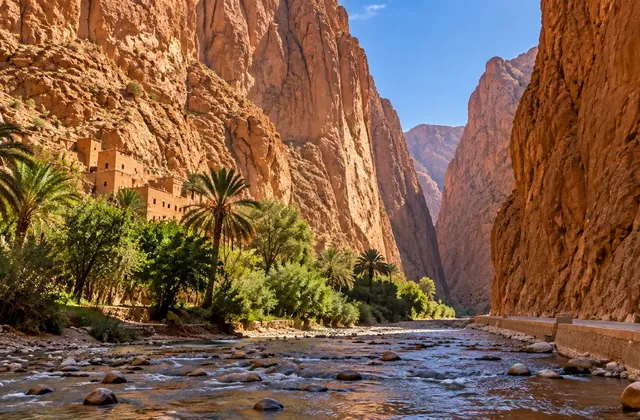
Located between Ouarzazate and Tinghir, the Dadès Valley traverses one of the most characteristic landscapes of southern Morocco. From the vicinity of Boumalne Dadès, the road gradually ascends the valley, passing villages, gardens, kasbahs and rock formations before reaching the narrowest parts of the gorges.
Many travelers only pass through on their way to Merzouga. However, planning at least one stop allows you to discover a region that is very different depending on the time of day, the season, and the distance traveled in the valley.
Boumalne Dadès, gateway to the valley
Boumalne Dadès is the main access point to the valley. The town overlooks a vast area where arid landscapes contrast with the cultivated fields along the Dadès river.
It is a convenient base for exploring the surrounding area, reaching the gorges or continuing on to Tinghir and the Todra Gorge.
Follow the road through the Dadès gorges
From Boumalne, the road heads north along the valley. The landscape gradually becomes more enclosed and the rock faces take on increasingly spectacular shapes.
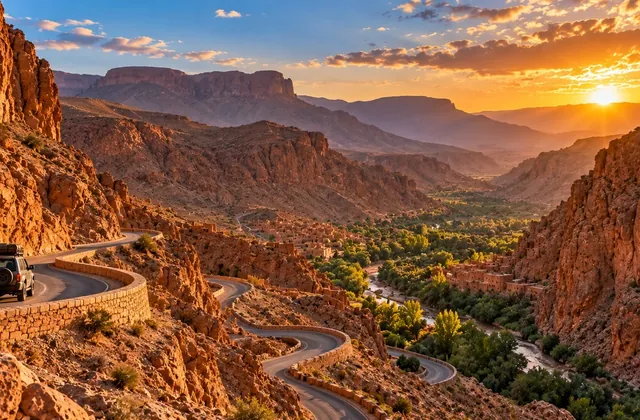
The road is an integral part of the discovery. Numerous viewpoints allow you to observe the villages built at the foot of the cliffs, the ancient kasbahs and the cultivated plots that follow the course of the wadi.
The famous switchbacks of the Dadès
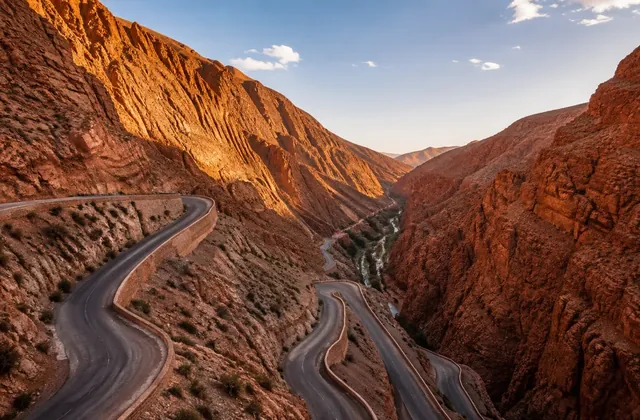
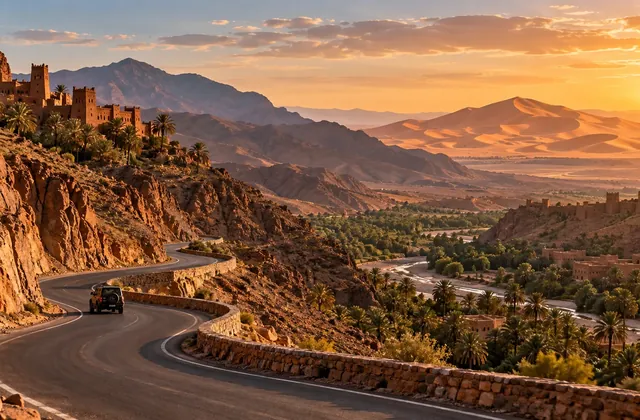
One of the most famous landscapes in the region is that of the winding road through the Dadès Gorge . The road climbs in several tight bends along the mountain before reaching a point overlooking the valley.
The panorama allows one to understand the particular geography of the gorges and constitutes one of the most interesting stops on the route.
Discover the rock formations of the Monkey Fingers
Also appearing in the valley are the rock formations often nicknamed Monkey Fingers . Erosion has shaped the rock into rounded and irregular reliefs, very different from the high cliffs visible further on.
The area can be explored from the road, but several walks allow you to get close to the formations and explore the small surrounding canyons.
Walking in the valley
The Dadès valley is particularly well suited to walks and short hikes . Depending on the area chosen, it is possible to walk between gardens, villages and rock formations or to follow more secluded passages.
For longer routes or less obvious areas, going with a local guide allows you to discover paths that are not always easy to identify from the road.
Kasbahs, villages and gardens
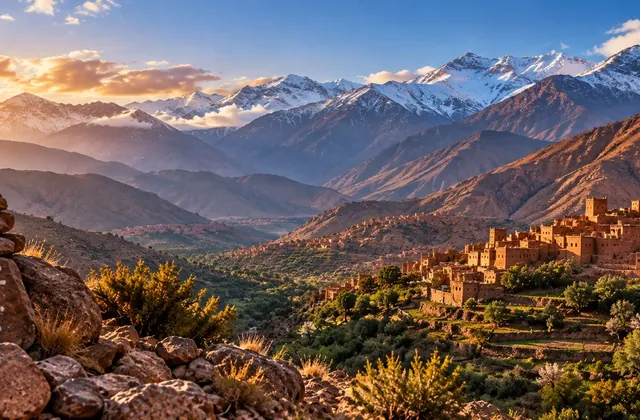
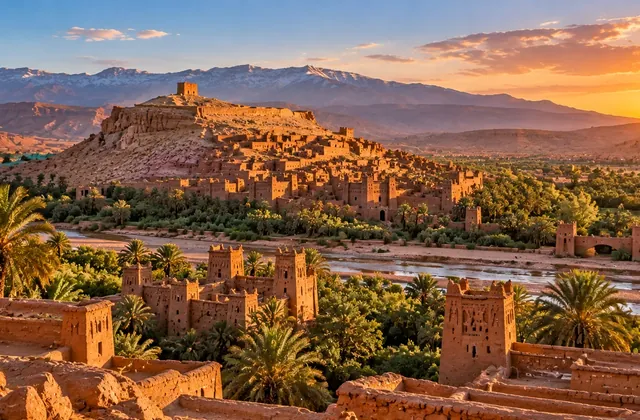
The Dadès region is not just about its mineral landscapes. All along the valley, irrigated areas form a green band where fruit trees, crops and gardens grow.
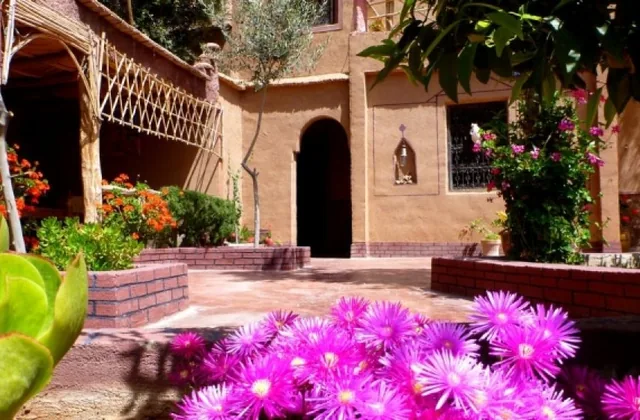
The earthen villages and ancient kasbahs blend naturally into the landscape. Some buildings are still inhabited, while others bear witness to the region's traditional architecture.
Taking the time to occasionally leave the main road allows you to discover a more everyday side of the valley.
Explore the surrounding area by 4x4
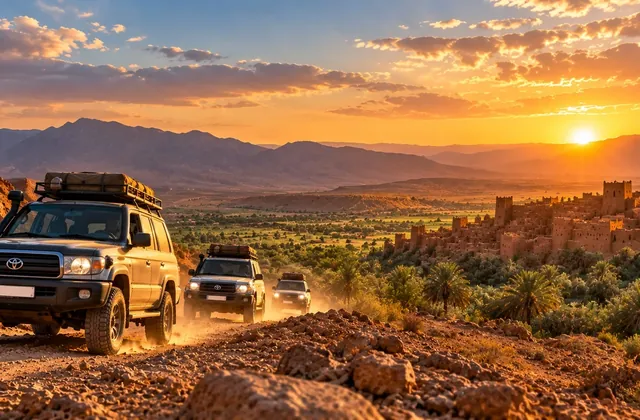
To go beyond the gorge road, several excursions can be made by 4x4 . The tracks allow you to reach plateaus, isolated villages and more remote landscapes between the Dadès and the other valleys of the High Atlas.
These outings are particularly interesting for travellers who have several days in the region and wish to discover less frequented areas.
How long should I stay in the Dadès Valley?
One night is enough to discover the main road and the main viewpoints without simply crossing the valley.
With two nights , it becomes possible to add a hike, an excursion or a more leisurely exploration of the surrounding villages and landscapes.
The valley fits easily into a route between Ouarzazate, the Valley of Roses, Tinghir and Merzouga .
What is the best time to visit the Dadès?
Spring and autumn generally offer pleasant temperatures for exploring the valley and walking in the surrounding area.
In summer, days can be very hot in the lower areas, while evenings become cooler at higher altitudes. In winter, nighttime temperatures can be low, and conditions vary more in the mountainous regions.
Sleeping in the Dadès Valley
Spending a night there allows you to enjoy the valley once the passing tourists have left the road. The morning and late afternoon light particularly highlights the landscape and earthen buildings.
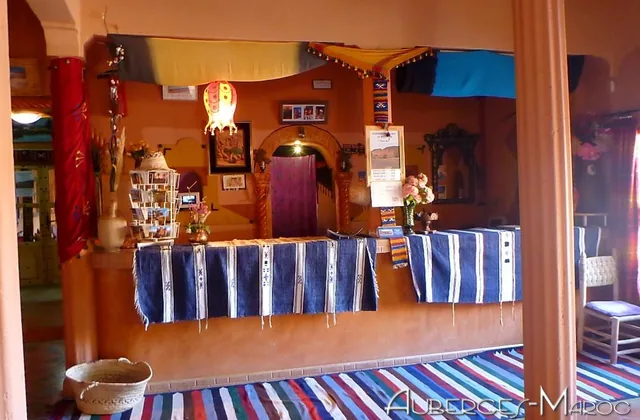
Accommodation can be found both around Boumalne Dadès and further into the valley and near the gorges.
Auberges Maroc allows you to discover accommodations in the Dadès Valley and choose a stopover that suits your itinerary.
Dadès and Todra: should you visit both?
The two sites are different enough to be complementary. The Dadès is characterized by a long valley dotted with villages, crops and rock formations, while the Todra gorges offer in particular a spectacular passage between high rock walls.
As Boumalne Dadès and Tinghir are relatively close on a route through southern Morocco, it is quite possible to integrate the two stages into the same trip.