It is not essential to rent a car to explore Morocco. The main cities are connected by various means of transport, and many travelers plan their trip by combining train, coach, taxi, transfers, and organized excursions .
However, the ease of travel depends largely on the chosen route. Traveling between Casablanca, Rabat, Tangier, Fez, Meknes, or Marrakech is relatively simple, while reaching certain valleys, mountain villages, or desert regions requires more preparation.
The train to connect major cities
The train is particularly convenient for travelling between several major cities in Morocco.
In particular, it makes it easy to integrate Casablanca, Rabat, Tangier, Fez, Meknes and Marrakech into a car-free itinerary.
For a first trip focused on cities, it is often one of the simplest means of transport: no driving, no parking and an arrival generally close to the main urban districts.
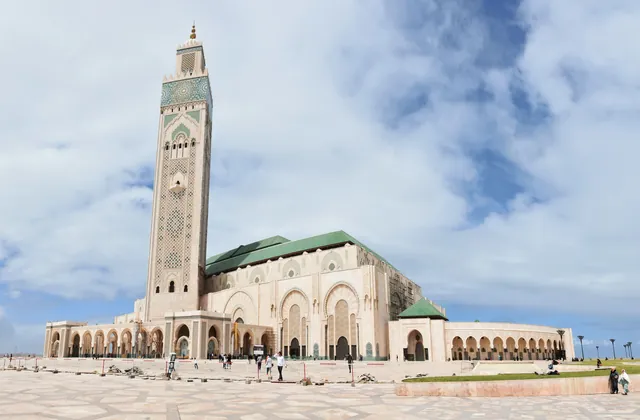
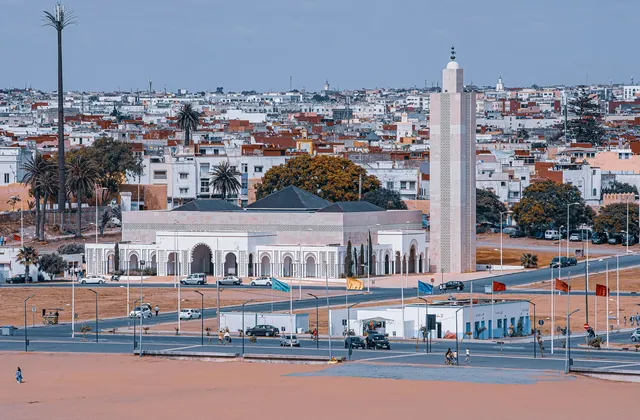
Casablanca and Rabat without a car
Casablanca and Rabat are particularly well suited to travel without a personal vehicle.
Travel between the two cities can easily be integrated into an urban circuit, and then extended to Tangier, Fez, Meknes or Marrakech.
Once there, taxis and public transport generally allow you to complete your journeys.
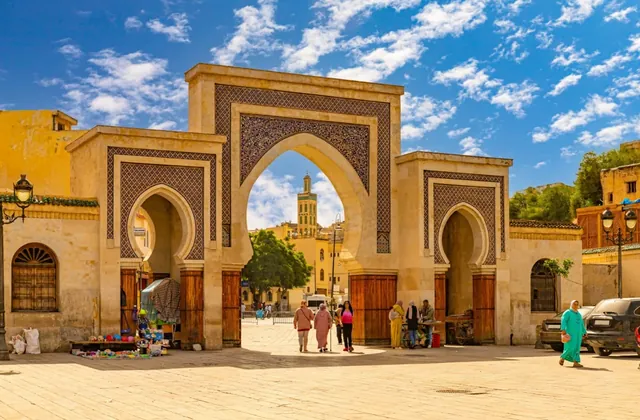
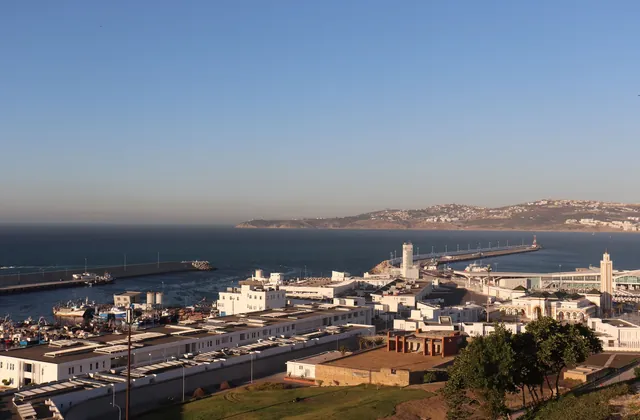
Tangier, Fez and Meknes
The north and central parts of the country also make it easy to organize several stages without a car.
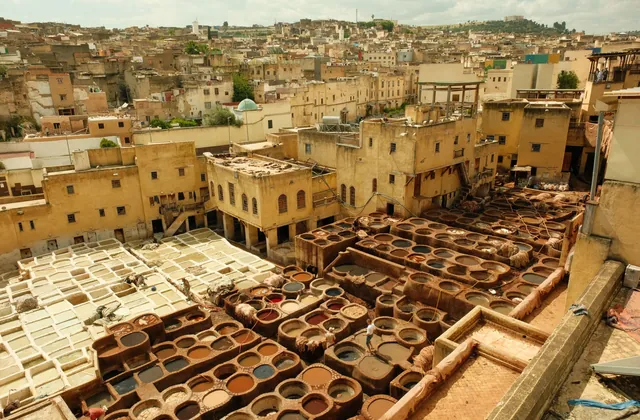
Tangier, Fez and Meknes can be included in the same trip without needing a personal vehicle for long journeys.
This package is particularly suitable for travellers who wish to focus on medinas, heritage and urban visits.
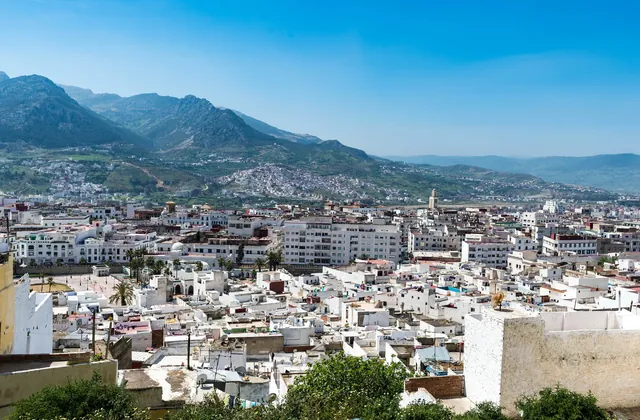
And Tetouan?
Tetouan is not as directly integrated into major railway lines as some other cities, but remains accessible by road from Tangier and the main cities of the north.
Coaches and taxis therefore make it possible to add it to an itinerary without renting a car.
To then continue to other sectors of the Rif, the organization simply becomes a little more dependent on correspondence and transfers.
Marrakech without a car
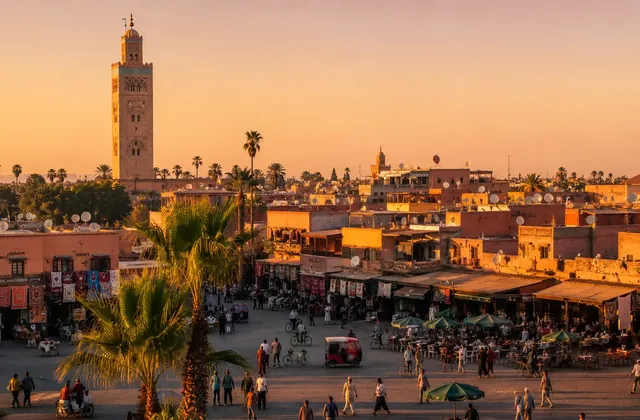
Marrakech is one of the easiest destinations to explore without a car.
Once settled in, the medina and many sites can be reached on foot or by taxi.
To discover the Atlas Mountains or the surrounding area, it is possible to book an excursion or transfer on an ad-hoc basis rather than renting a vehicle for the entire stay.
Essaouira without a car
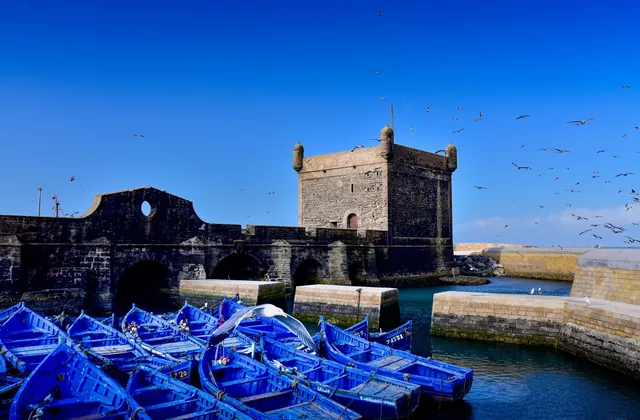
Essaouira also works very well without a vehicle when you mainly want to explore the city and enjoy the ocean.
The medina, the port and the beach are relatively concentrated and can easily be explored on foot.
The main route to organize is therefore the one allowing arrival in and departure from the city.
Agadir without a car
Agadir can also be chosen for a stay without renting a car.
The beach, tourist areas and main services are accessible via local transport and taxis.
For longer excursions, it is often simpler to book transport for the day rather than having a car permanently.
Coaches to complement the train
The coach makes it possible to reach many cities that do not have a direct rail link.
It is particularly useful for completing a route to Essaouira, Agadir, Tetouan or Ouarzazate .
For a car-free trip, the train + coach combination already provides access to a large part of the country's tourist destinations.
Grand taxis
Grand taxis provide numerous connections between cities or nearby towns.
They can be useful for a journey that is not easily covered by other transport or for reaching a secondary destination from a major city.
Operations and conditions may vary depending on the location. It is therefore best to inquire locally about the departure point and fare before traveling.
Taxi or private transfer?
For some journeys, booking a private transfer can be more comfortable than making several connections.
This solution is particularly useful when travelling in a group, with a lot of luggage or when a stopover is located away from major roads.
It also allows you to retain some of the freedom offered by a car without having to drive yourself.
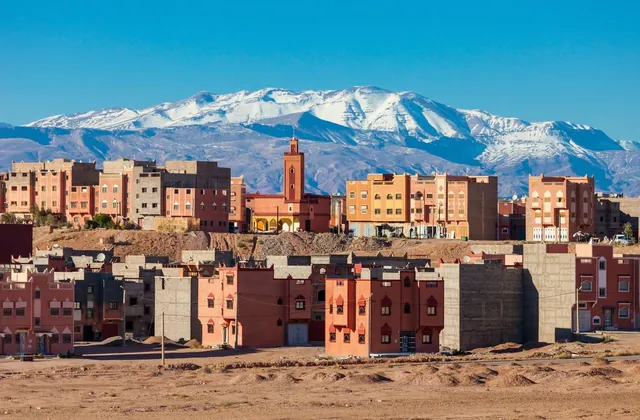
Is it possible to reach Ouarzazate without a car?
Yes. Ouarzazate can be reached by road without having your own vehicle.
The city then provides a good base for organizing excursions or continuing on to other destinations in the South.
On the other hand, as soon as you want to visit multiple villages, kasbahs and intermediate stops, an excursion with a driver or organized transport becomes much more practical.
Southern Morocco without cars
Travelling in the South without driving is still possible, but requires more planning than in big cities.
The main stops are linked by road, but the interest of this region also lies in the many stops between the towns: valleys, kasbahs, villages, palm groves and panoramas.
To fully enjoy these places, a combination of regular transport and local excursions is often the best solution.
And how do you get to Merzouga?
It is possible to reach Merzouga without a personal car by using road transport and transfers available in the South.
Once there, the hostels and camps generally offer different solutions for reaching the dunes or organizing excursions.
Therefore, it is not necessary to have your own 4x4 to discover Erg Chebbi.
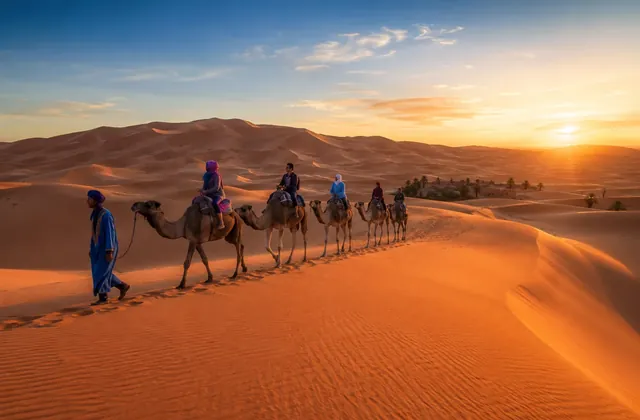
How to reach a bivouac without a car?
Desert camps usually organize their own access from a meeting point or accommodation.
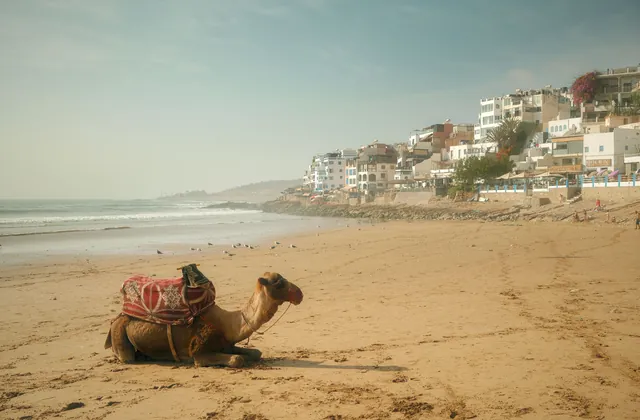
Depending on the package chosen, the journey can be made in a 4x4 or on camelback .
It is best to confirm this point at the time of booking so that you know exactly where you need to go and what is included.
Atlas Mountains and Car-Free Mountains
To discover the Atlas Mountains without a personal vehicle, the easiest way is usually to start from a large city like Marrakech and arrange a transfer or excursion.
This option allows you to reach a valley or a hiking starting point without having to drive on mountain roads.
For a stay of several days, it is also possible to organize the outbound and return journeys separately and then get around on foot once there.
Should we rent a car for the entire trip?
Not necessarily. An interesting solution is to do the urban part of the journey by train and public transport, then rent a car or book a driver for just a few days.
For example, you can explore Casablanca, Rabat, Fez and Marrakech without a car and then separately organize a trip to the South.
This formula avoids paying for and parking a vehicle on days when it would be unnecessary.
Traveling without a car with children
With children, the train can be particularly convenient for long journeys between major cities.
For more isolated regions, a private transfer can greatly simplify the organization by avoiding multiple transport changes.
It is especially important to avoid making multiple connections in the same day.
Traveling with a lot of luggage
A car-free itinerary is much more pleasant with luggage that's easy to carry.
If you change cities regularly, opt for a compact suitcase or bag that you can easily move between train station, coach, taxi and accommodation.
For a tour with many stops, traveling light provides real comfort.
Book in advance or on site?
For long journeys and periods of high traffic, planning your travel in advance provides greater safety.
Short local journeys, taxis and some excursions can, however, be arranged directly on site.
Maintaining some flexibility also allows you to adapt the program to the weather or to a stage that you wish to extend.
Which route is the easiest without a car?
A tour between the major cities of the north and the center is particularly easy to organize.
For example, you can combine Tangier, Rabat, Casablanca, Meknes, Fez and Marrakech and then occasionally add Essaouira or Agadir by road transport.
The further the route gets from major cities, the more useful it becomes to plan transfers, taxis or organized excursions.
The advantages of travelling without a car
Not driving allows you to enjoy the scenery more during journeys and avoid traffic, parking and navigating in big cities.
It is also a good solution for those who prefer to focus their time on sightseeing rather than driving.
The limits
Without a car, it is more difficult to stop spontaneously in a village or in front of a landscape encountered along the way.
Rural areas, some isolated beaches, mountains and deserts also require more planning ahead.
Therefore, it is necessary to plan your itinerary based on available transport rather than assuming that all destinations can be visited in the same way.
In summary: is it possible to travel to Morocco without a car?
Yes, very easily in large cities.
Trains, coaches and taxis make it possible to build an itinerary including Casablanca, Rabat, Tangier, Fez, Meknes and Marrakech.
Essaouira, Agadir, Tetouan and Ouarzazate also remain accessible without a car thanks to road transport.
For valleys, mountains and the Sahara, it is generally sufficient to supplement these journeys with local transfers or excursions.
Renting a car is therefore not an obligation: it is primarily a choice between greater autonomy and an organization based on several means of transport.