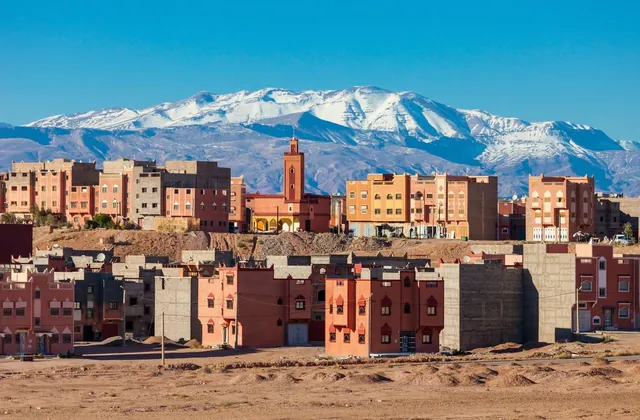
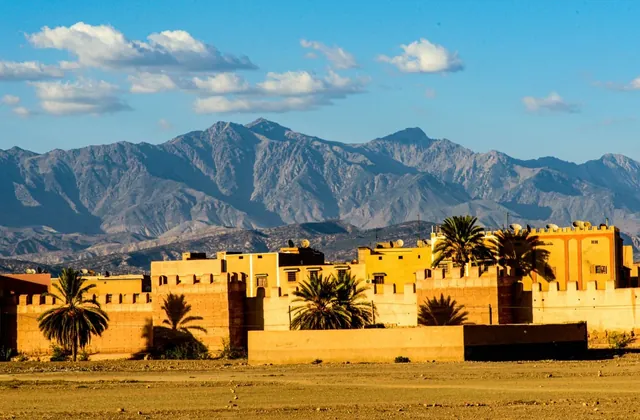
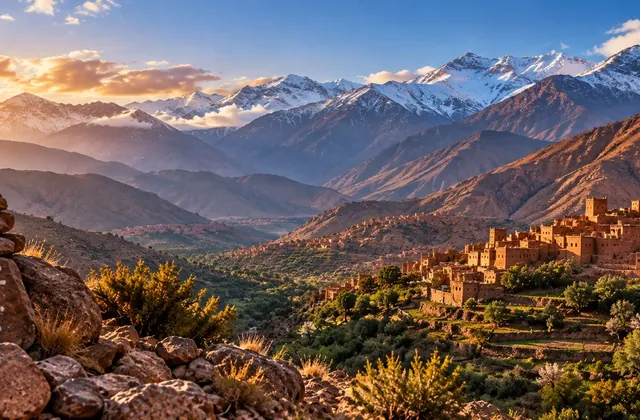
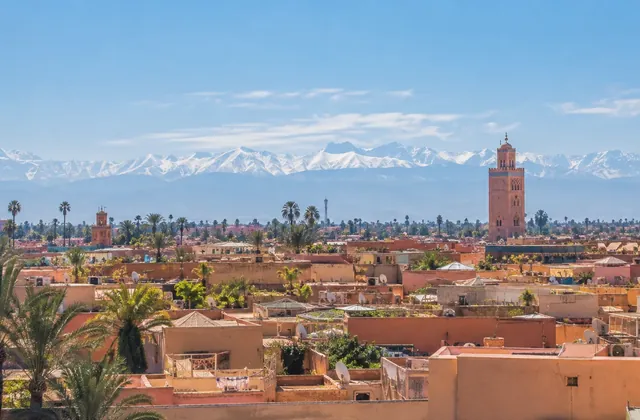
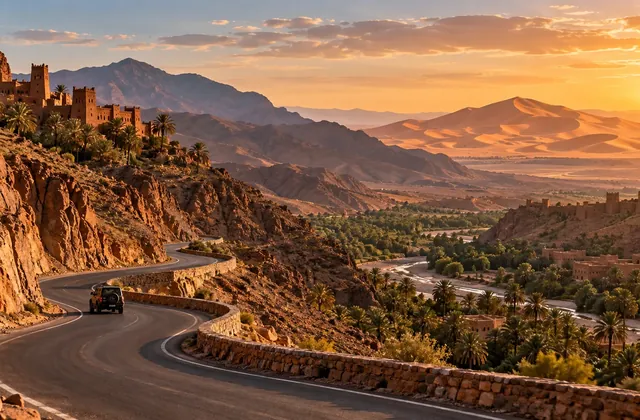
The Moroccan Atlas Mountains form a vast mountain range that crosses a large part of the country. Just a few dozen kilometers from the plains and major cities, one discovers peaks exceeding 4,000 meters, cultivated valleys, earthen villages, and spectacular roads.
For a traveler, "going to the Atlas" can correspond to very different experiences: a day trip from Marrakech, a multi-day hike, a stay in a valley, discovering villages or a getaway in search of coolness in the summer.
The High Atlas near Marrakech
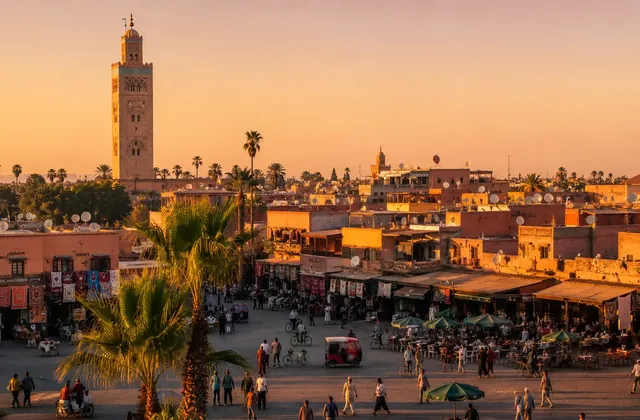
From Marrakech , it's easy to reach the foothills of the High Atlas Mountains. This proximity makes it easy to combine a mountain getaway with a city break without having to plan a long trek.
The valleys south of Marrakech already offer a complete change of scenery: winding roads, villages clinging to the mountains, terraced crops and peaks in the background.
Imlil: gateway to the high mountains
Imlil is one of the main starting points for exploring the High Atlas Mountains. The village is located in the heart of a valley surrounded by imposing peaks and serves as a base for numerous hikes.
It is possible to come here for just a day, but spending one or two nights allows you to better enjoy the scenery and walk when the majority of visitors have left.
Imlil is suitable for both travellers looking for short walks and those preparing for more demanding mountain routes.
The Toubkal massif
Jbel Toubkal , the highest point in Morocco and North Africa, dominates this part of the High Atlas.
Climbing it requires proper preparation and should not be confused with a simple tourist excursion. The difficulty varies depending on the season, conditions, and the experience of the hikers.
Even without considering the summit, the valleys surrounding the massif offer numerous opportunities for hiking and exploration.
The Ourika Valley
The Ourika Valley is one of the most accessible excursions from Marrakech. The road gradually follows the wadi and passes through villages, gardens and mountainous landscapes.
This proximity makes it a good option for travellers with limited time or who do not wish to organize a full stay in the mountains.
The valley is particularly busy on weekends and at certain times of the year. For a quieter experience, leaving early or staying overnight might be a good idea.
Ouirgane: mountains and tranquility
Ouirgane offers a different atmosphere. The terrain is less steep than in the higher areas of the High Atlas and the region is well suited to a relaxing stay.
The landscapes blend villages, vegetation, hills and mountains. It's an interesting destination for walking without necessarily planning a strenuous hike.
It is particularly suitable for those who wish to spend a few days in nature near Marrakech.
Oukaïmeden and the Atlas Mountains in winter
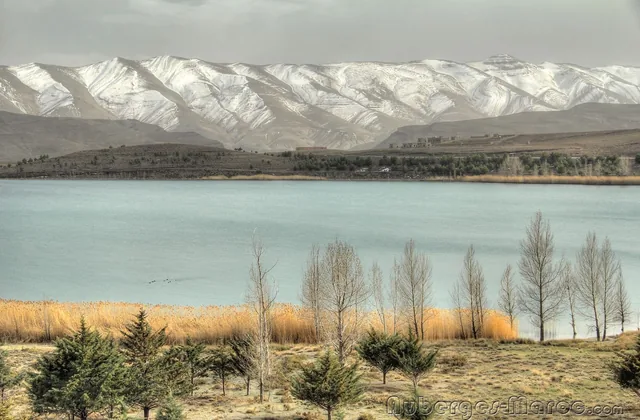
In winter, the higher parts of the Atlas Mountains can be covered in snow. Oukaïmeden, in particular, is known for its high mountain environment and winter landscapes.
Conditions change rapidly at this altitude. Before setting off in winter, it is important to check the weather forecast and road conditions.
This season, however, reveals a very different side of Morocco from the images of desert and beaches with which the country is often associated.
The Ait Bouguemez Valley
Further from the classic circuits around Marrakech, the Aït Bouguemez valley is surrounded by high reliefs and traditional villages.
It particularly attracts travellers looking for hiking, rural landscapes and longer stays in the mountains.
Its remoteness requires more organization than an excursion to Ourika or Imlil, but also allows you to discover a less urbanized region.
The Ouzoud waterfalls and the Azilal region
The Azilal region offers the opportunity to discover another part of the Atlas Mountains. The famous Ouzoud waterfalls are one of the most well-known natural sites in the area.
However, the region is not limited to waterfalls: mountain roads, villages and landscapes of the Central Atlas make it possible to consider a longer stay.
Hiking or just a simple excursion?
You don't need to be an experienced hiker to enjoy the Atlas Mountains.
A day trip from Marrakech is enough to discover a valley and a few villages. With two or three nights, it becomes possible to walk further and truly enjoy the change of scenery.
For long hikes, high-altitude routes, or less obvious paths, the accompaniment of a local guide is recommended.
Discover the mountain villages
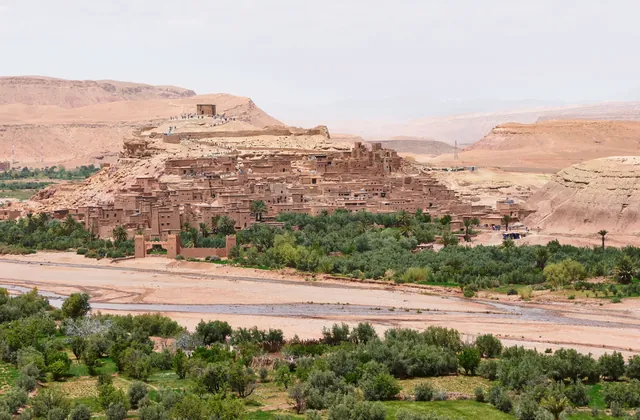
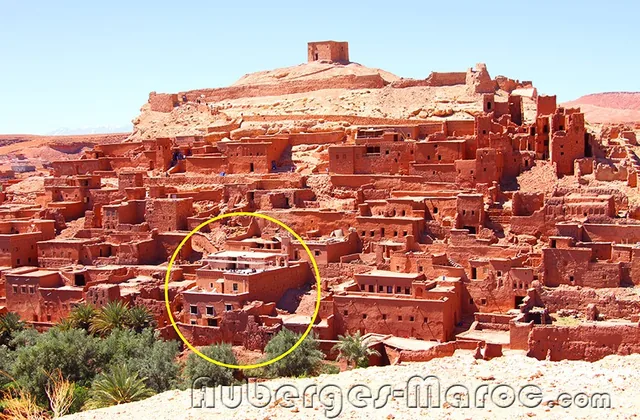
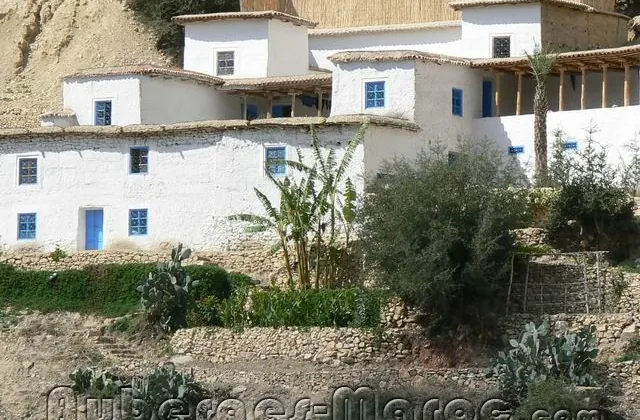
One of the attractions of the Atlas Mountains lies in the presence of numerous Berber villages located in the valleys or on the slopes.
Their architecture, cultures and landscape organization are closely linked to the constraints of the mountains.
It is important to consider these villages as places to live and not as mere tourist attractions, respecting the inhabitants and local customs.
The Atlas Mountains in summer: seeking coolness
Summer is an interesting time to visit the high-altitude regions when the plains and some cities experience intense heat.
Mornings and evenings can be cooler and conditions are often more suitable for walking than at lower altitudes.
The sun remains intense in the mountains: sun protection, water and an early start are still essential.
The Atlas Mountains in spring
Spring is a particularly pleasant time to explore the valleys. Temperatures are generally comfortable for walking, and the vegetation adds more color to the landscapes.
In higher areas, however, snow may persist depending on the time of year and the season.
The Atlas Mountains in Autumn
Autumn also offers excellent conditions. Temperatures drop after summer, and the days are often still suitable for hiking.
This is an interesting season to combine a few days in the Atlas Mountains with a tour to Marrakech or southern Morocco.
The Atlas Mountains in winter
In winter, conditions depend heavily on altitude. A low valley may remain easily accessible while a route located much higher up may be snow-covered.
Pack warm clothing and check road conditions before heading to higher ground.
How many days should I plan for?
For a simple exploration from Marrakech, one day may be enough.
With two or three nights , the experience becomes much more interesting: walks, villages and moments of rest can be integrated without rushing.
For a true trek or a deeper exploration of the Atlas Mountains, allow several extra days.
Do I need a car?
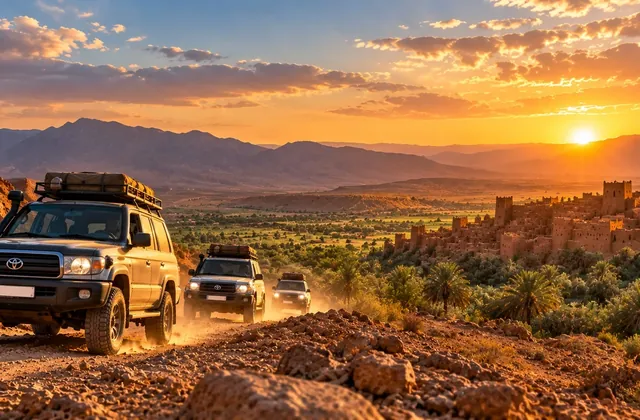
A car provides a lot of freedom to reach certain valleys and easily change your route.
However, it is not mandatory for the main areas accessible from Marrakech, where transfers, taxis and excursions are available.
On some mountain roads or tracks, conditions may require a suitable vehicle and sufficient experience.
Atlas Mountains or desert?
The two experiences are completely different.
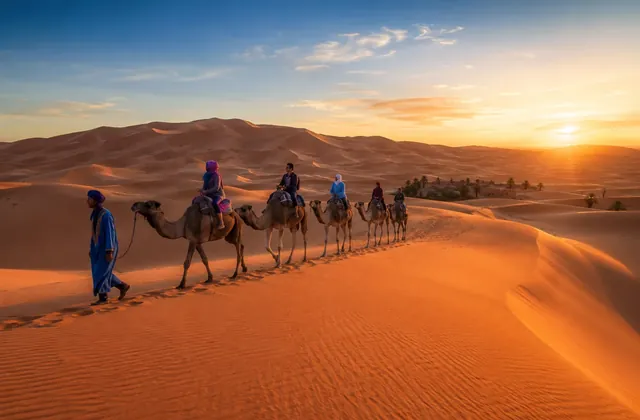
The desert offers dunes, vast arid spaces, and Saharan landscapes. The Atlas Mountains offer mountains, valleys, villages, cultivated land, and hiking opportunities.
It is also easy to combine the two on a longer trip, since the roads to the South cross the Atlas Mountains.
Where to sleep in the Atlas Mountains?
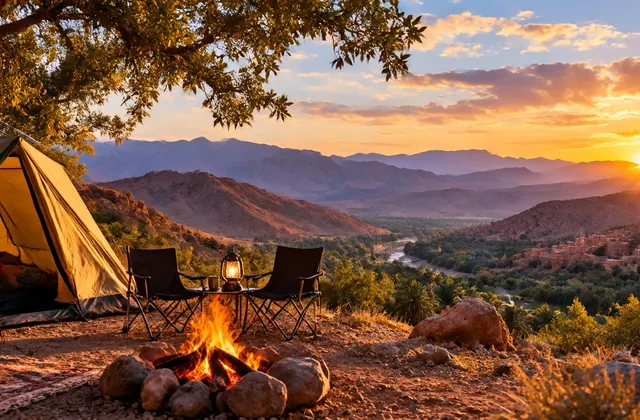
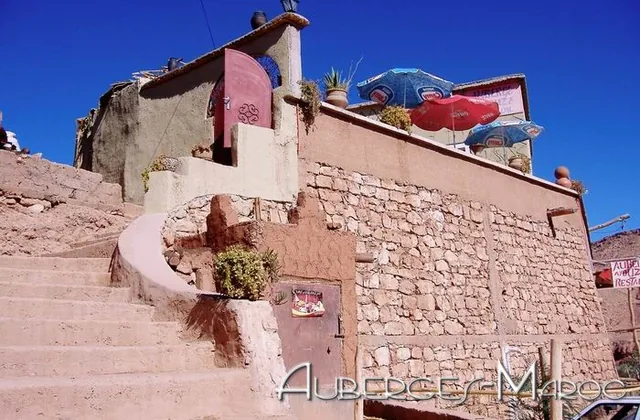
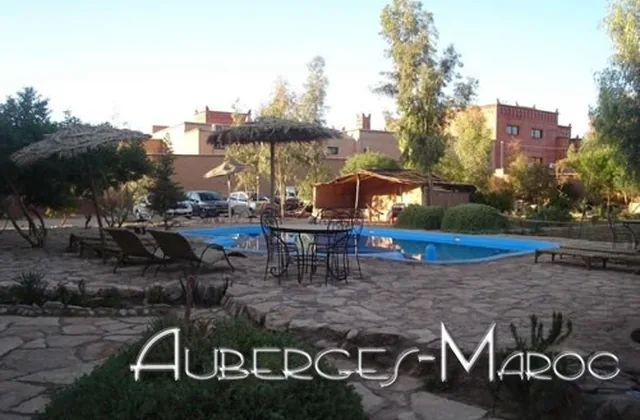
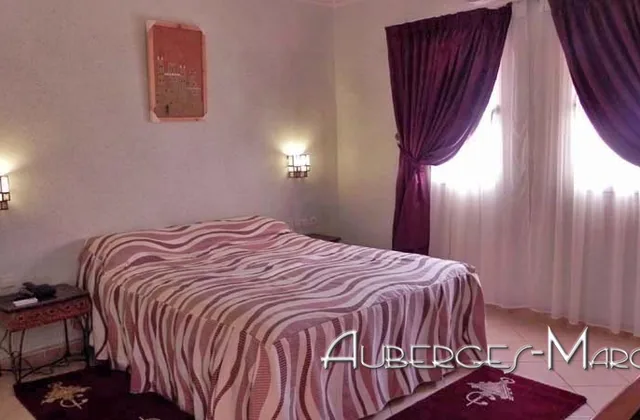
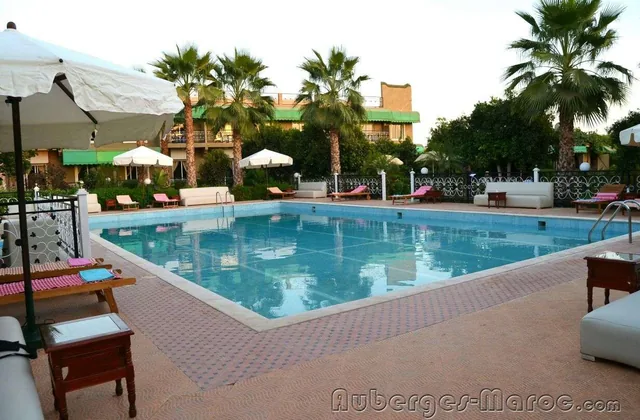
Depending on the region, you can find guesthouses, inns, small hotels and more comfortable accommodations located in the valleys.
To fully enjoy the mountains, it is often better to sleep there rather than systematically returning to Marrakech after each excursion.
Auberges Maroc allows you to discover accommodations in the Atlas regions and to build a stay adapted to a simple getaway or to several days of hiking.
In summary: where to go in the Atlas Mountains?
Imlil is particularly suitable for hiking and exploring the high mountains.
Ourika is easy to include in a day trip from Marrakech.
Ouirgane is more suited to a peaceful stay in nature.
Oukaïmeden allows you to discover the high-altitude landscapes, especially in winter.
More remote regions like Aït Bouguemez and Azilal will be more suitable for travellers wishing to spend several days in the mountains.
The Atlas Mountains therefore deserve to be considered as a true destination in Morocco and not just as a mountain range to cross on the way to the desert.