Winter in Morocco offers very different conditions depending on the region. While the Sahara often enjoys sunny and pleasant days, the nights can be cold. In the Atlas Mountains, snow can fall at higher altitudes, while the Atlantic coast generally maintains a milder climate.
Therefore, it is an excellent time to travel, provided you adapt your itinerary to the temperatures and activities you are looking for.
The desert: a great destination in winter
Winter is one of the most interesting times to discover the Moroccan Sahara . Daytime temperatures are generally much more pleasant than in summer, allowing you to enjoy the dunes, excursions, and landscapes without suffering from intense heat.
The regions of Merzouga, Zagora and M'Hamid are particularly suited to this season.
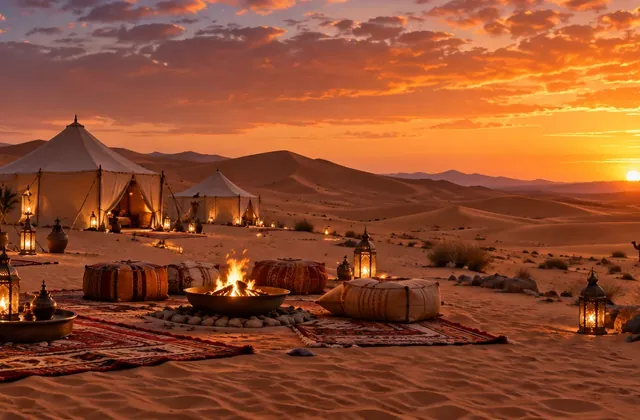
However, you should bring warm clothes for the evening and night, especially if you are sleeping in a bivouac.
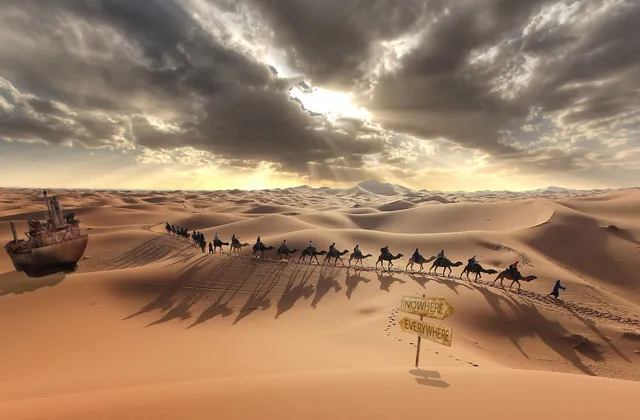
Merzouga in winter
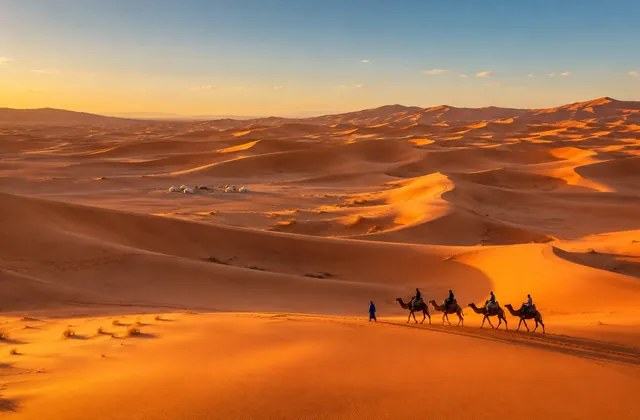
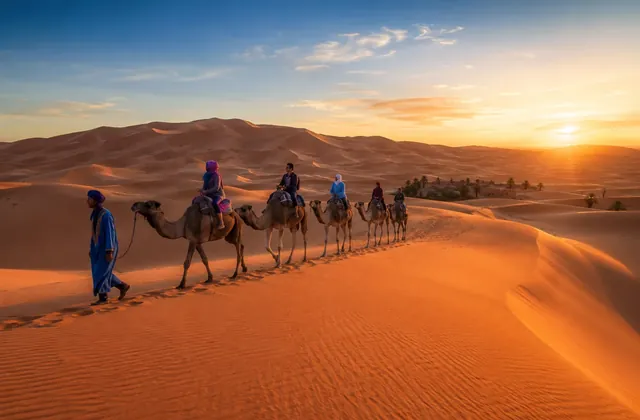
Merzouga is an ideal destination to enjoy the Erg Chebbi dunes during the cooler months.
The days allow you to walk in the dunes, go on a 4x4 trip or take a camel ride in good conditions.
However, temperatures drop rapidly after sunset. A night in the desert therefore requires careful preparation.
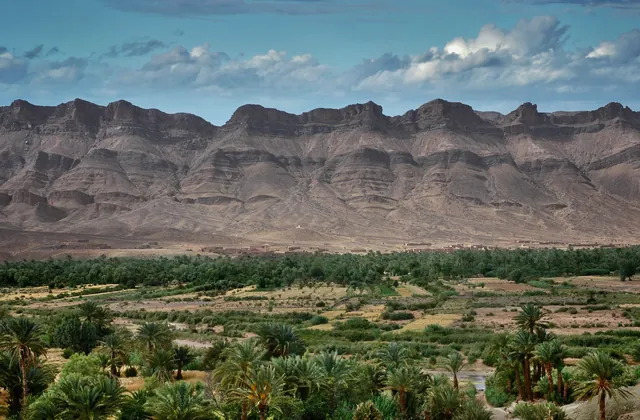
Zagora and M'Hamid
The Zagora and M'Hamid regions also offer pleasant conditions in winter for discovering the pre-Saharan landscapes and the trails towards Chegaga.
The days are often mild and suitable for 4x4 excursions, while the nights can become cold.
Ouarzazate: a good base for exploring the South
Ouarzazate is also very pleasant to visit in winter. The heat is much less intense than in summer, making sightseeing and excursions in the surrounding area much easier.
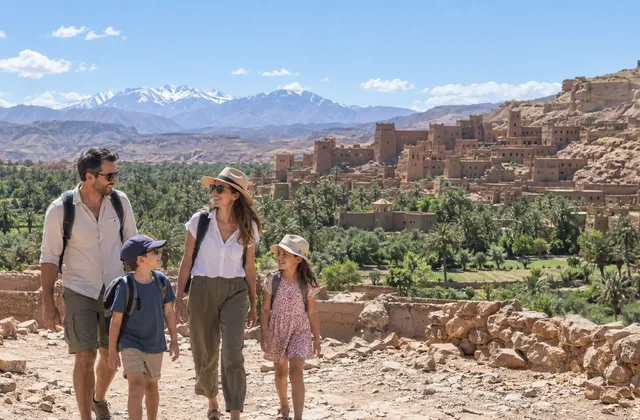
The region provides easy access to the kasbahs, oases and valleys of southern Morocco.
The Dadès Valley in winter
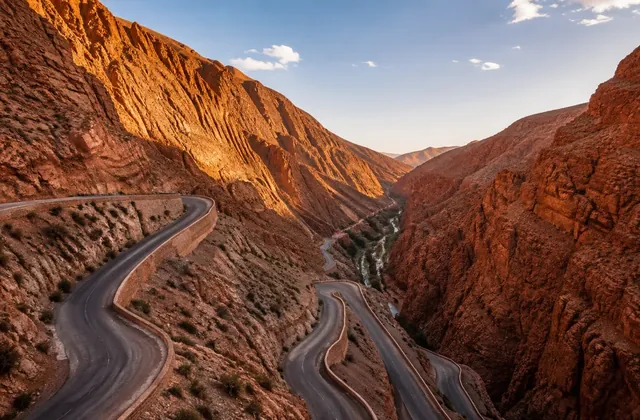
The Dadès valley remains accessible in winter and allows you to discover its landscapes in a calmer atmosphere.
The days can be pleasant in the sun, but the nights are often cold, especially in higher areas.
For hiking, it is best to check local conditions before setting off.
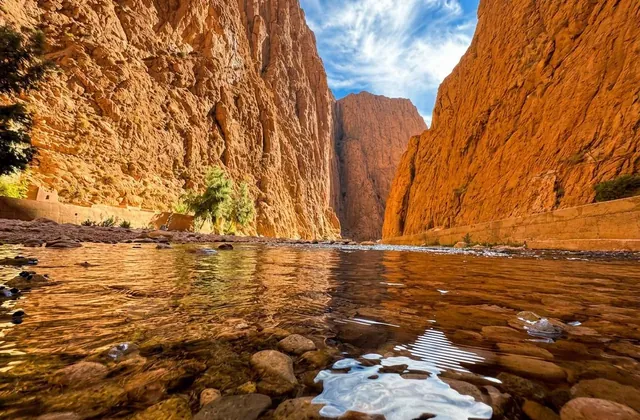
Tinghir and the Todra Gorge
Tinghir and the Todra Gorge can also be visited in winter. Daytime temperatures are often suitable for walking and sightseeing.
Mornings and evenings can be cool, but the season remains interesting for discovering the gorges without the intense summer heat.
Marrakech in winter
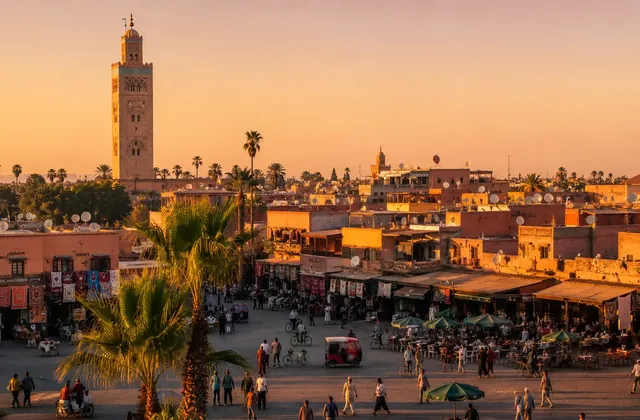
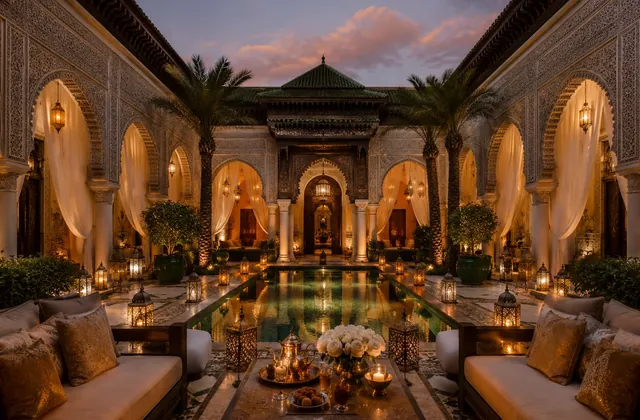
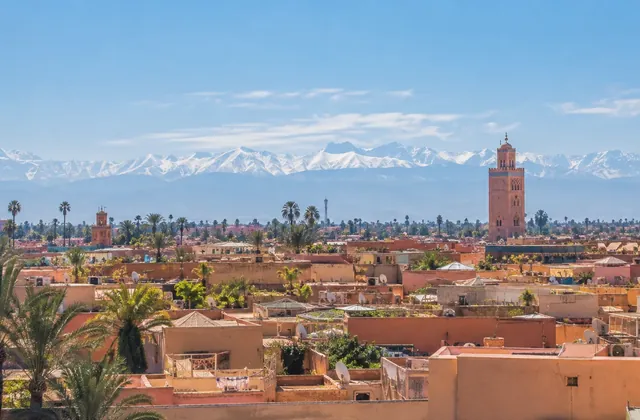
Marrakech is particularly pleasant to visit in winter. Temperatures are generally milder than in summer, making it more comfortable to explore the medina, gardens, and various neighborhoods of the city.
The evenings remain cool, especially in December and January.
The Atlantic coast for a mild winter
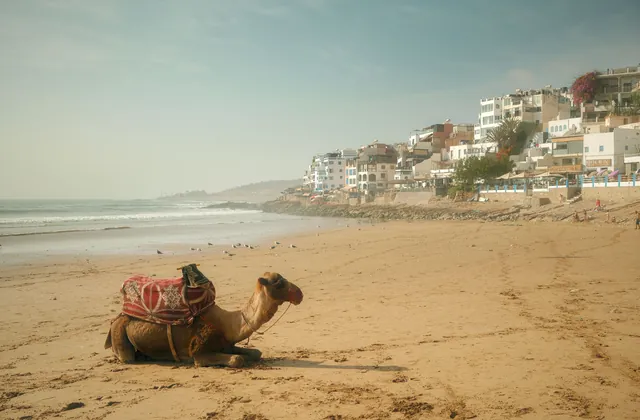
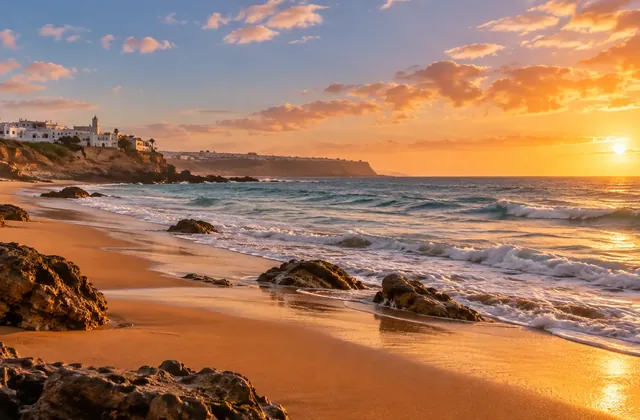
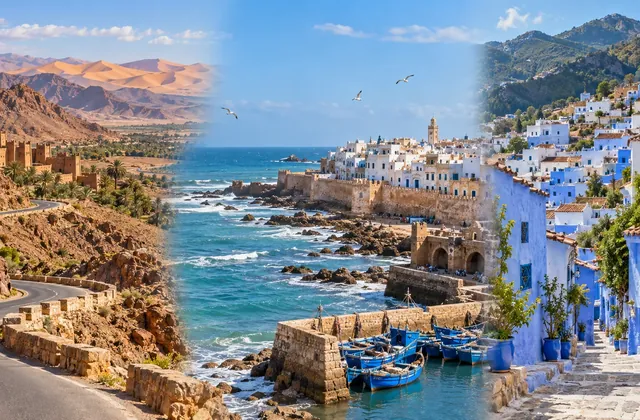
The Atlantic coast is another excellent option. Temperatures generally remain moderate, allowing you to enjoy the ocean, walks, and outdoor activities.
You shouldn't necessarily count on a warm swim, but the climate can be very pleasant for a stay by the sea.
Agadir in winter
Agadir is one of the easiest destinations to choose for a winter stay in Morocco.
The city generally enjoys a mild and sunny climate, with pleasant daytime temperatures.
The beach, the promenade and excursions in the surrounding area allow for a very different kind of stay compared to a trip to the desert.
Surfing in winter
Winter is also an interesting season for surf enthusiasts on the Atlantic coast.
Conditions can be more dynamic than in summer, with waves suitable for experienced surfers depending on the area.
For beginners, it is best to choose suitable spots and to inquire locally about conditions.
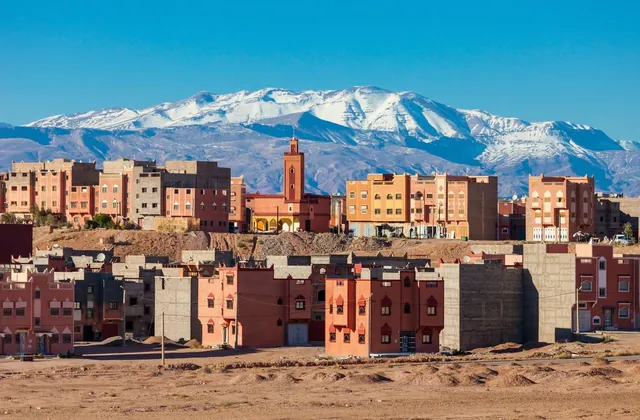
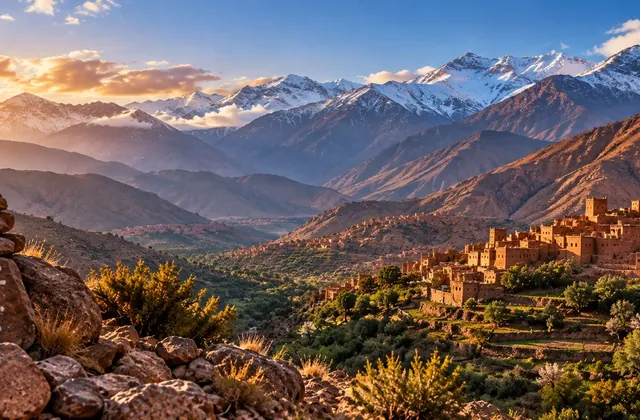
The Atlas Mountains and the snow
In winter, the High Atlas can offer landscapes completely different from the rest of the year.
Snow may be present on the peaks and some roads may be temporarily difficult to access depending on weather conditions.
This period can be very interesting for those looking for mountains, snowy landscapes or a cooler atmosphere.
Should the Atlas Mountains be avoided in winter?
No, but you have to remain flexible. Conditions can change quickly and some mountain roads can become more difficult.
Before setting off, it is best to check the weather and road conditions, especially if the route passes through high mountain passes.
Where should I go to be the hottest?
To find the mildest possible temperatures, the Atlantic coast and southern regions are generally the best options.
Agadir , Ouarzazate, Zagora or Merzouga often allow you to enjoy pleasant days, even if the nights can remain cool in the interior of the country.
Where to go to see winter landscapes?
If, on the other hand, you are looking for a winter atmosphere, the Atlas Mountains are the most interesting destination.
The mountains can be snow-covered and then offer a spectacular contrast with the valleys and drier regions of the South.
Which route should I choose in winter?
A circuit combining Marrakech, Ouarzazate, Dadès, Tinghir and Merzouga works very well in winter if road conditions are normal.
For a gentler and more relaxing stay, it is also possible to choose Agadir and the Atlantic coast .
Travelers who wish to vary the landscapes can even combine part of the South with a few days on the coast.
What clothes should I bring?
The main pitfall of winter in Morocco is the difference between daytime and nighttime temperatures.
So pack light clothing for sunny days, but also a warm jacket, extra layers and clothing suitable for cold nights.
In the desert or in the mountains, these precautions are particularly important.
In summary: where to go in Morocco in winter?
Choose the desert if you are looking for pleasant days, great scenery and excursions without excessive heat.
Choose Marrakech to visit the city in better conditions than in the middle of summer.
Choose Agadir and the Atlantic coast to enjoy a generally mild climate.
Choose the Atlas Mountains if you are looking for mountains, cool temperatures and possibly snow.
Winter is therefore far from being a bad season to travel to Morocco. You simply need to choose a region suited to the type of trip you want.